Theo Hughes · 18 October 2026
Regional Achievement Gaps in Poland: Data Insights and Their Role in Shaping Education Policies
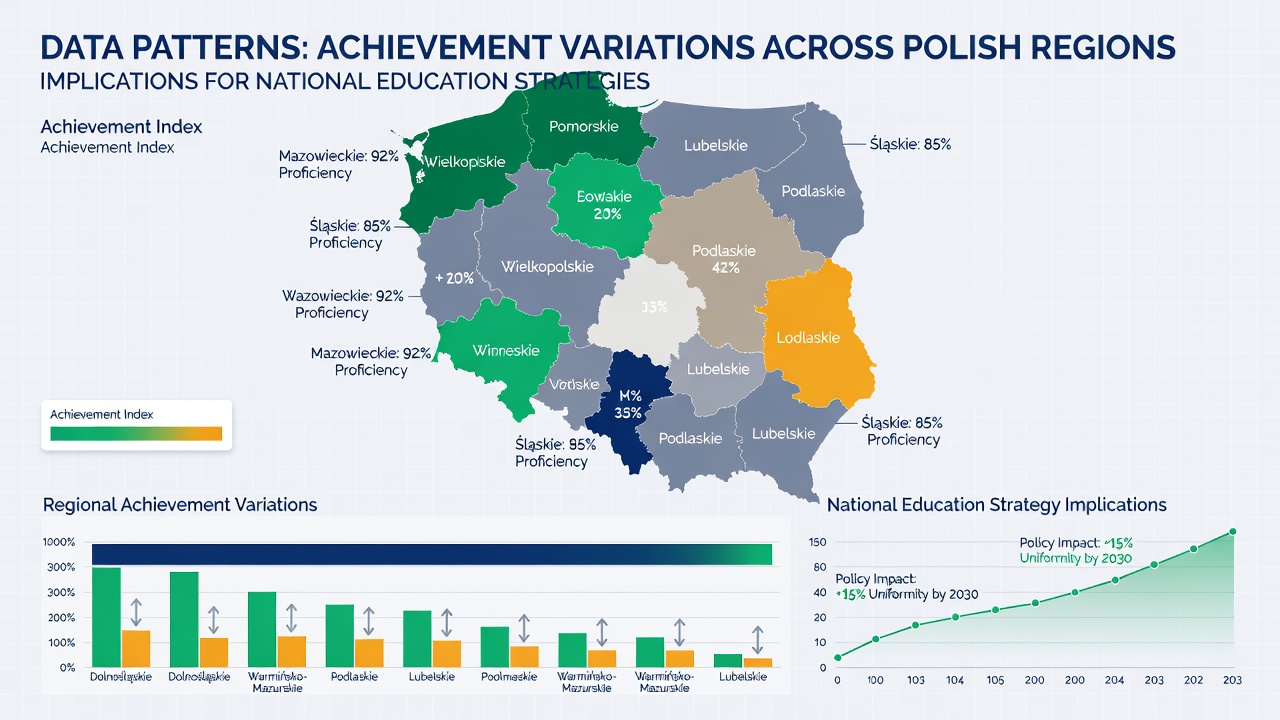
Recent analyses of standardized test results and enrollment figures across Poland's voivodeships expose clear differences in academic outcomes that researchers continue to track year after year, with urban centers in Mazowieckie and Małopolskie consistently posting higher averages than more rural areas in the east and north, while October 2026 updates from national statistics offices added fresh layers to these ongoing comparisons.
Figures from the Central Statistical Office indicate that students in Warsaw and Kraków districts reach proficiency benchmarks in mathematics and language arts at rates 15 to 20 percent above those recorded in Podlaskie and Warmińsko-Mazurskie, a pattern that holds across multiple grade levels and appears tied to differences in school funding per pupil plus access to supplemental tutoring programs, yet observers note that some smaller towns have narrowed portions of this divide through targeted after-school initiatives launched in the past five years.
Key Data Patterns Emerging from Regional Comparisons
Longitudinal datasets compiled between 2020 and 2026 reveal that achievement variations widen most sharply during secondary school transitions, where students from lower-performing regions show larger drops in science and reading scores compared with their counterparts in better-resourced locales, and these shifts correlate strongly with household income levels plus parental education attainment rates drawn from census records.
One study released by the Polish Ministry of Education in early 2026 tracked over 120,000 pupils and found that regions with higher broadband penetration and greater numbers of qualified teachers per classroom posted steadier gains, whereas areas limited by infrastructure gaps experienced stagnation even as national averages climbed slightly, and this contrast becomes especially visible when comparing voivodeship-level PISA-equivalent assessments.
Socioeconomic and Infrastructure Factors at Play
Researchers examining the same datasets point to overlapping influences such as family migration patterns that concentrate higher-skilled workers in western provinces, combined with uneven distribution of vocational training centers that leave eastern communities with fewer pathways to advanced coursework, and these elements together create feedback loops where early gaps compound over time rather than closing naturally.
According to reports from the European Commission education portal, Poland's overall participation in upper-secondary education remains strong, but regional breakdowns show participation in advanced placement equivalents varies by as much as 25 percentage points between the top and bottom voivodeships, a disparity that national planners have begun addressing through revised allocation formulas for digital learning resources.
Turns out these patterns also surface in extracurricular engagement metrics, where students in high-achieving districts log more hours in science clubs and language exchanges, while those in lagging areas often face longer commutes or limited local offerings, prompting several regional governments to pilot mobile education units that travel between smaller municipalities.
Implications for Broader National Education Approaches
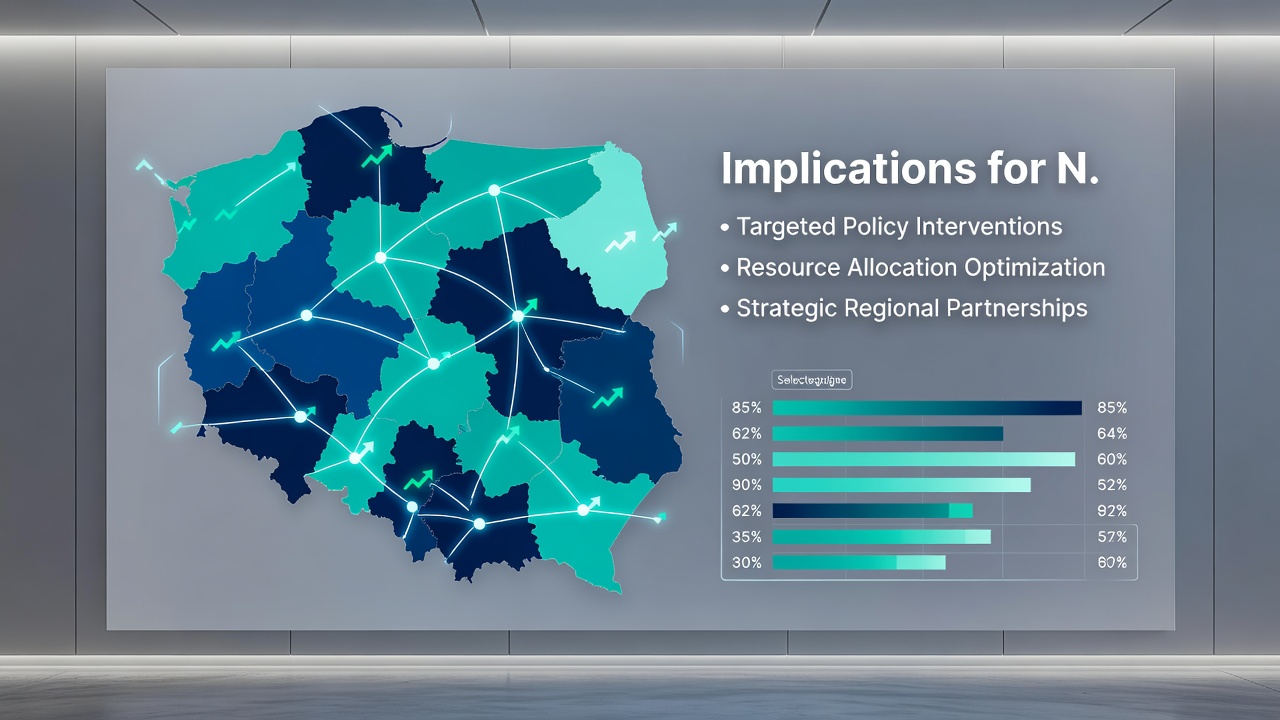
Education authorities reviewing the October 2026 data releases have started modeling new funding mechanisms that weight allocations toward regions showing persistent underperformance, incorporating real-time dashboards that combine test scores with teacher retention statistics and infrastructure audits to prioritize investments where they may yield the largest measurable lifts.
Evidence from pilot programs in three eastern voivodeships suggests that pairing increased per-pupil grants with mandatory professional development for staff produces faster convergence in reading proficiency than funding increases alone, and these outcomes align with findings from international benchmarking exercises that stress coordinated rather than isolated interventions.
What's interesting is how national strategies now emphasize cross-regional data sharing platforms that allow schools in different parts of the country to compare practices directly, a move that builds on earlier digital infrastructure projects and aims to reduce duplication of successful approaches while accelerating adaptation in areas that have trailed.
Policy Adjustments Under Consideration
Officials have outlined proposals to adjust admission criteria for teacher training programs so that graduates commit time in underserved districts, while also expanding partnerships with local employers to create apprenticeship tracks that keep talent in regions currently experiencing brain drain, and these steps address both immediate classroom needs and longer-term economic ties that influence family decisions about where to settle.
Data from the same 2026 reports show that regions implementing hybrid learning models during the previous academic year maintained steadier progress despite disruptions, pointing toward continued investment in blended delivery systems that combine in-person instruction with remote modules for specialized subjects unavailable locally.
Conclusion
Collectively the patterns documented across Polish regions underscore the value of granular monitoring systems that feed directly into adaptive national strategies, allowing policymakers to test interventions at scale while accounting for local conditions that shape outcomes, and continued refinement of these approaches through 2027 and beyond will likely determine how quickly variations narrow across the country.