Amir Washington · 4 October 2026
Rural Partnerships Fuel New Approaches to Tracking Academic Skills in Poland's Outlying Regions
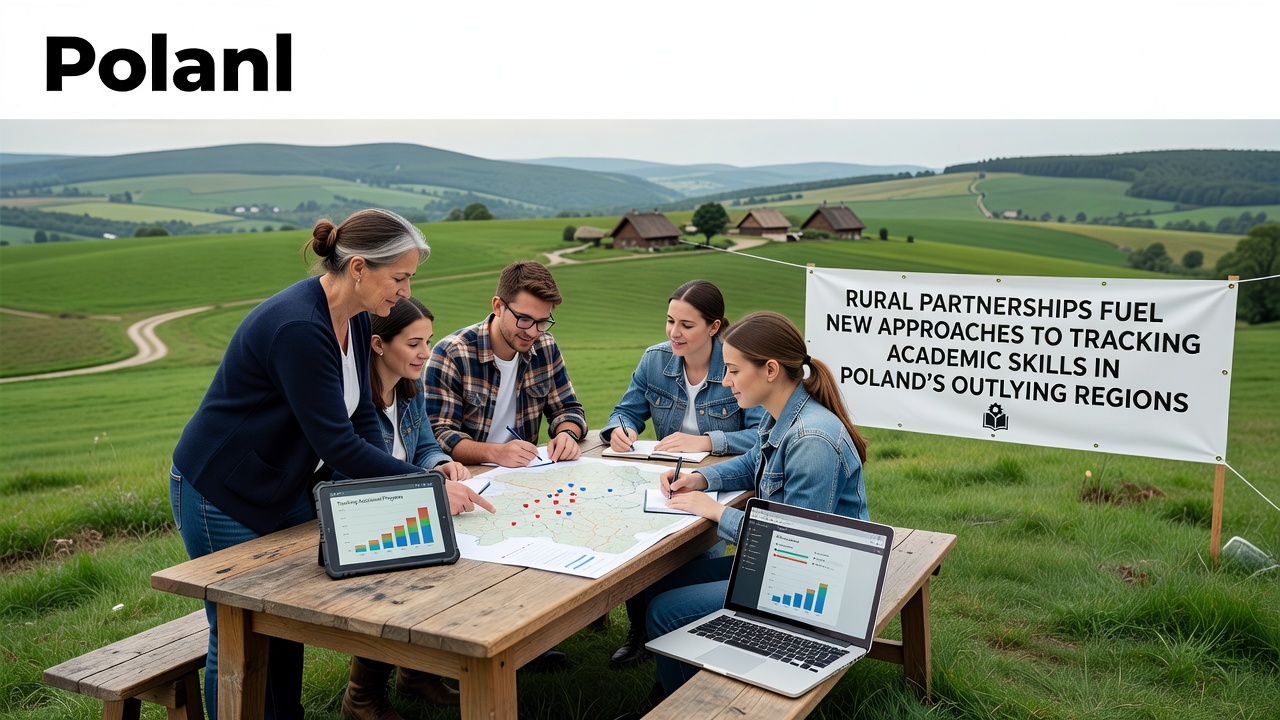
Poland's outlying regions have seen rural partnerships emerge as key drivers behind fresh methods for monitoring academic skills, with local authorities, schools, and community groups joining forces to build systems that fit the unique challenges of remote areas. These collaborations often combine traditional assessment practices with digital platforms, allowing educators to gather data on student progress without requiring constant travel to urban centers, while data from regional education offices shows participation rates climbing steadily since the programs began rolling out.
Building Networks Across Dispersed Communities
Observers note that partnerships typically start with agreements between gminas in eastern and southeastern Poland and regional universities, where shared resources help create tracking frameworks that account for seasonal migration patterns and limited broadband access. Researchers discovered that one such network in the Podkarpackie area integrated mobile apps with periodic in-person evaluations, and this approach allowed teachers to log skill development in subjects like mathematics and language arts over extended periods without disrupting daily routines. Studies conducted by the Polish Ministry of Education indicate these methods have expanded to cover more than 150 schools by mid-2026, with similar models appearing in other voivodeships as word spreads about reduced administrative burdens.
Technology Integration in Remote Settings
Turns out the core innovation lies in adapting existing digital tools rather than introducing entirely new ones, since many rural districts already use basic learning management systems that can be customized for skill tracking. According to reports from the European Commission on education innovation, Polish rural partnerships have layered simple analytics onto these platforms to monitor competencies such as critical thinking and digital literacy, and the result is a continuous record that follows students even when they switch schools due to family relocations. What's interesting is how these systems incorporate offline functionality, enabling data sync once connectivity returns, which addresses a common barrier in areas where fiber optic lines remain sparse.
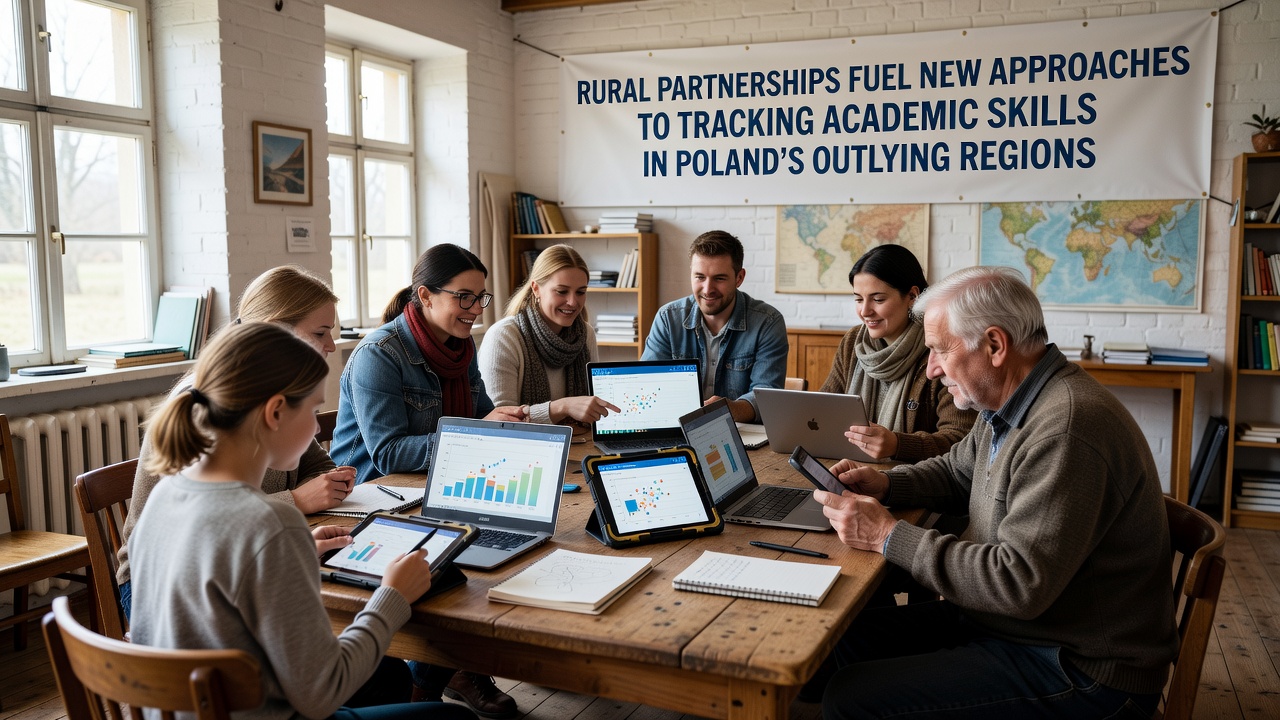
One study revealed that educators in these partnered regions report higher consistency in data collection compared to standalone efforts, because joint training sessions standardize how skills get evaluated across multiple sites. Figures from the OECD education database highlight Poland's rural student performance gaps narrowing slightly in regions with active partnerships, although analysts caution that broader socioeconomic factors also play roles. In October 2026 several pilot programs reached a milestone when they began sharing aggregated skill metrics with national databases, creating opportunities for larger-scale analysis while preserving local control over individual records.
Outcomes and Ongoing Adjustments
Evidence suggests these partnerships produce measurable shifts in how academic skills get documented, particularly for students in vocational tracks where practical abilities matter alongside traditional academics. Local coordinators often cite examples where a farming community in Lubelskie voivodeship linked agricultural knowledge to science curricula tracking, and the integration helped align assessments with real-world applications without extra testing layers. Government data shows funding from EU structural funds has supported equipment purchases and facilitator training, sustaining momentum across multiple school years.
Yet challenges persist around data privacy and equitable access, prompting partnerships to refine protocols regularly based on feedback from participating families. Researchers at various Polish academic institutions continue to examine long-term effects, with initial findings pointing to improved retention of students who might otherwise disengage from formal education systems. The ball remains in the court of regional leaders to scale successful elements while adapting to demographic changes that affect enrollment numbers in outlying zones.
Conclusion
Overall the pattern emerging from Poland's rural areas demonstrates how targeted partnerships can reshape skill tracking without relying on centralized mandates alone, as local input shapes tools to fit specific contexts. Data continues to accumulate through these networks, offering insights that could inform similar efforts elsewhere, and observers expect further refinements as technology and community needs evolve together through 2027 and beyond.